Erasmus+ project ‘European dimension of Nazi history…’ – summary of the first stage of implementation.
Erasmus+ project ‘European dimension of Nazi history using the example of archaeological excavations in the concentration camp Gusen’ – summary of the first stage of implementation.
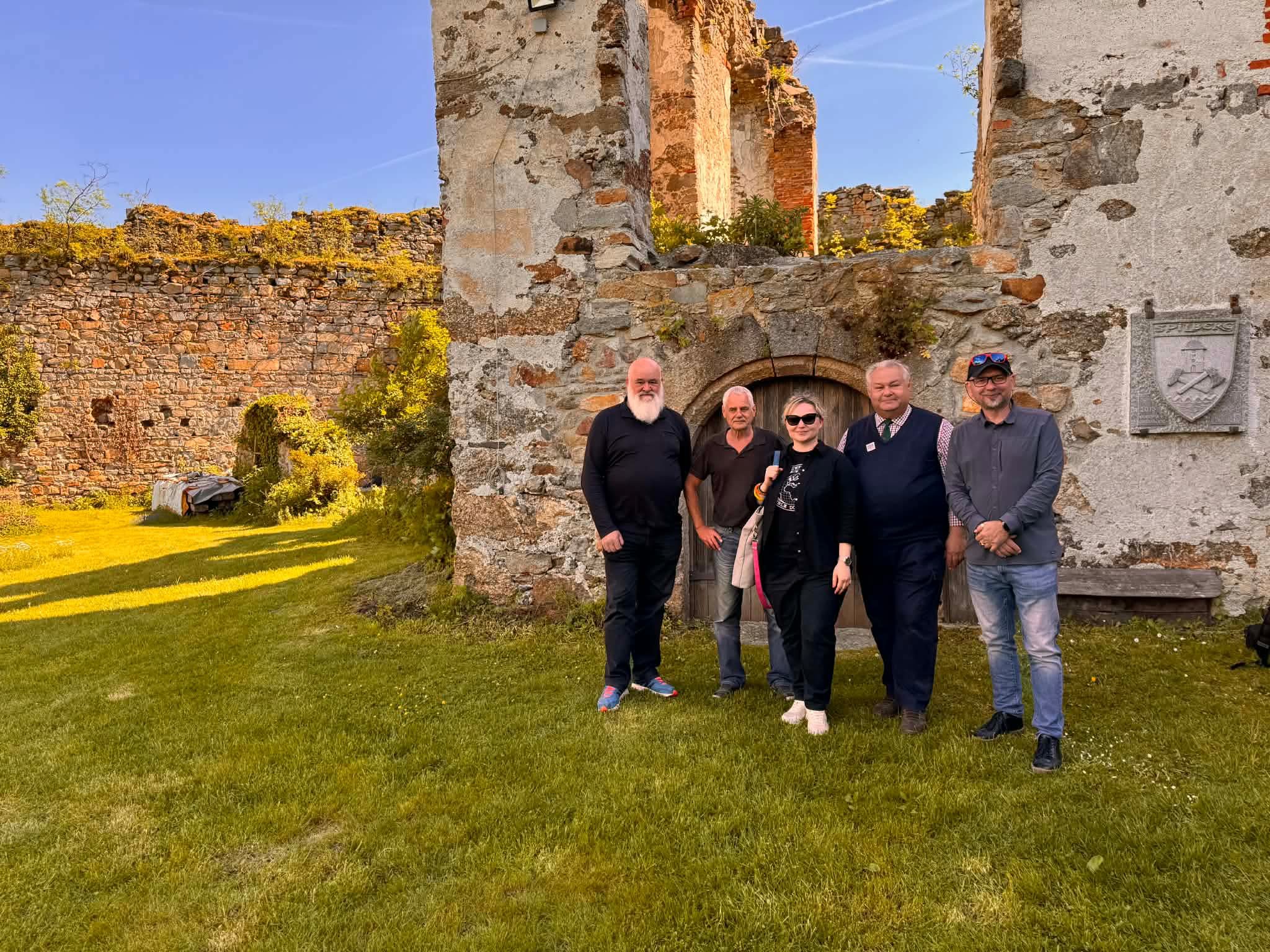
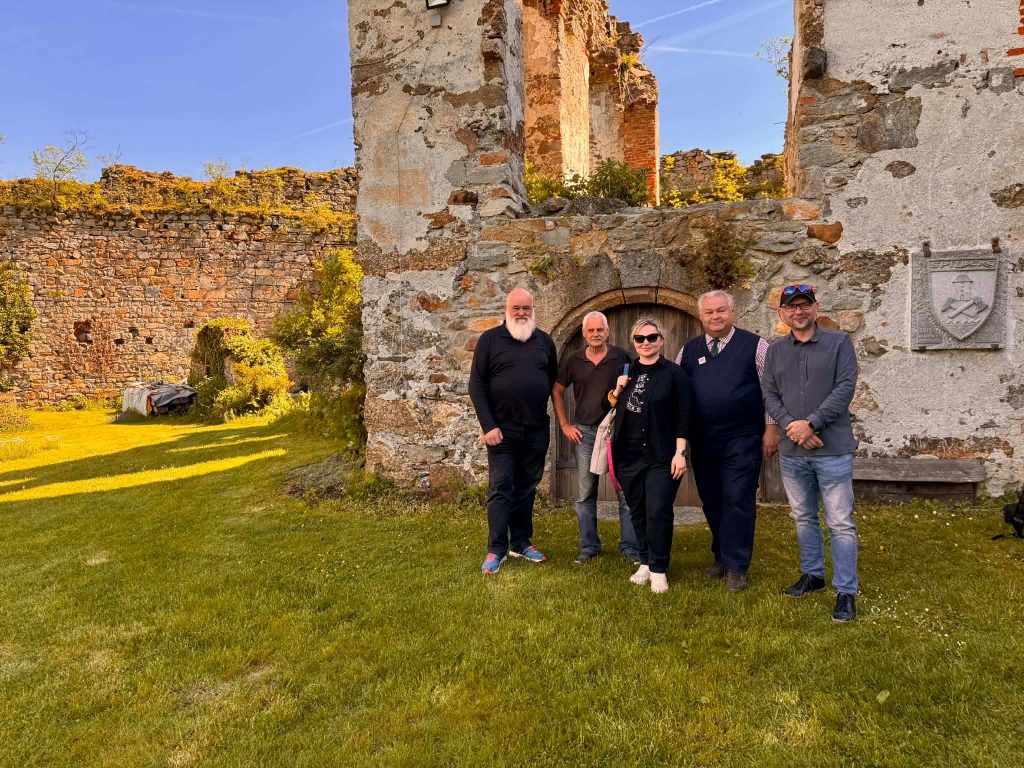
We are proud to announce the results of an international project carried out as part of the Erasmus+ programme, which CDZWiP UKEN conducted in cooperation with Gemeindeverband ‘Bewusstseinsregion Mauthausen–Gusen–St.Georgen’, Naturhistorisches Museum Wien, Evangelische Versöhnungskirche in der KZ-Gedenkstätte Dachau and Gedenkdienstkomitee GUSEN.
The project tackles the little-known and challenging subject of archaeological excavations carried out by Polish prisoners of KL Gusen – a history marked by forced labour, but also by extraordinary determination, solidarity and the will to survive. Of particular importance in this story is the so-called ‘commando of hope’. Its activities contributed to saving the lives of many prisoners.
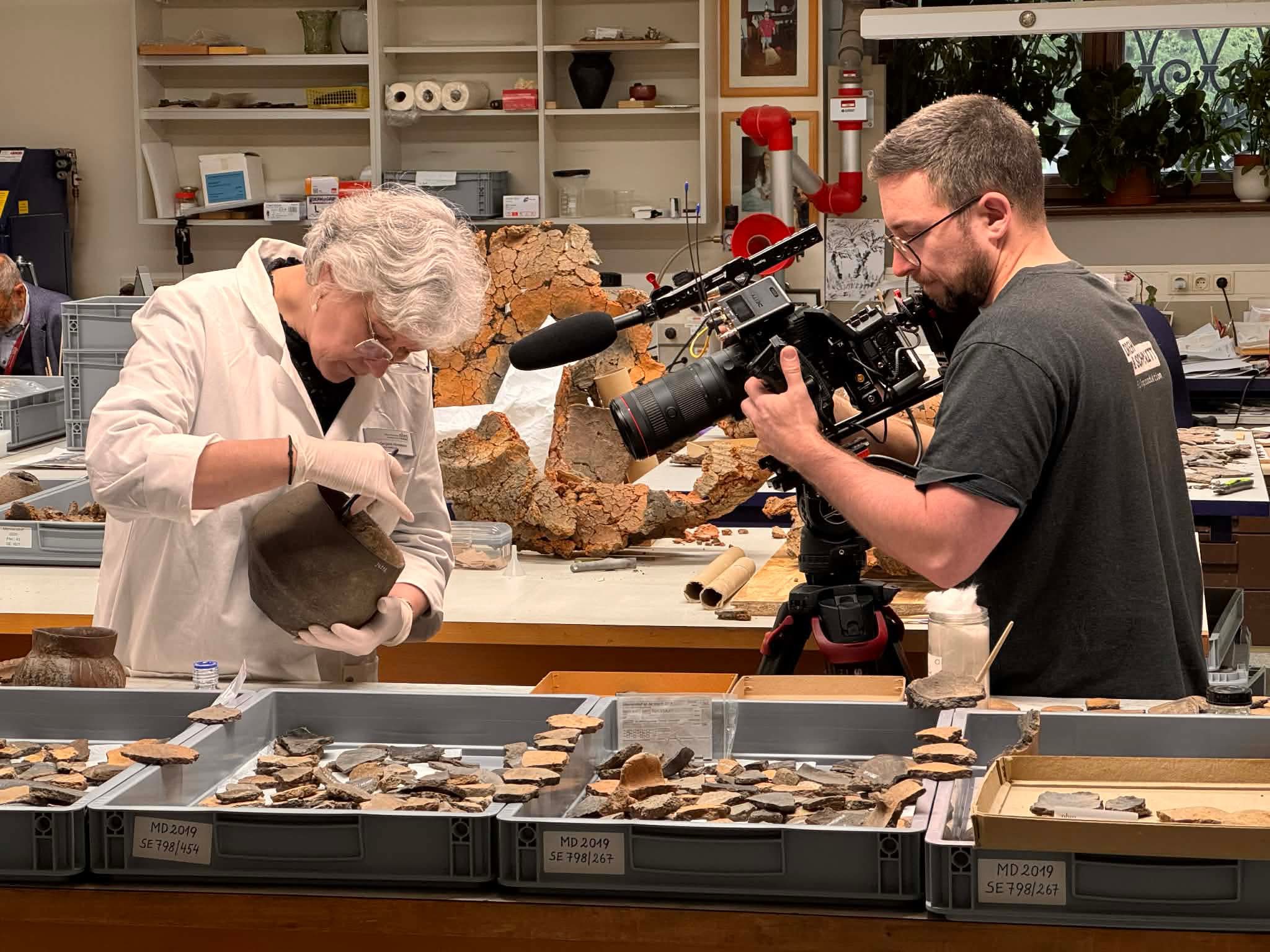
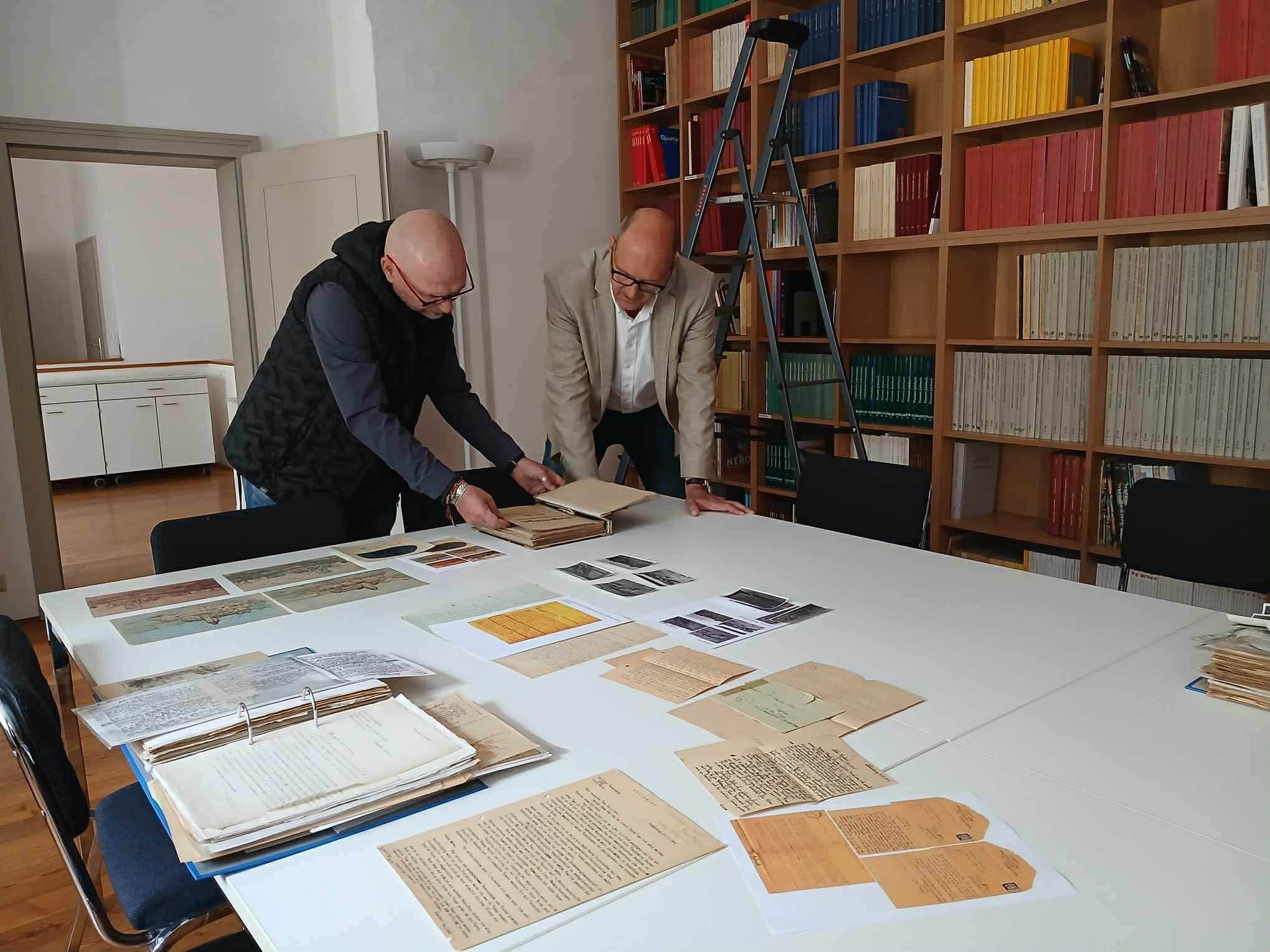
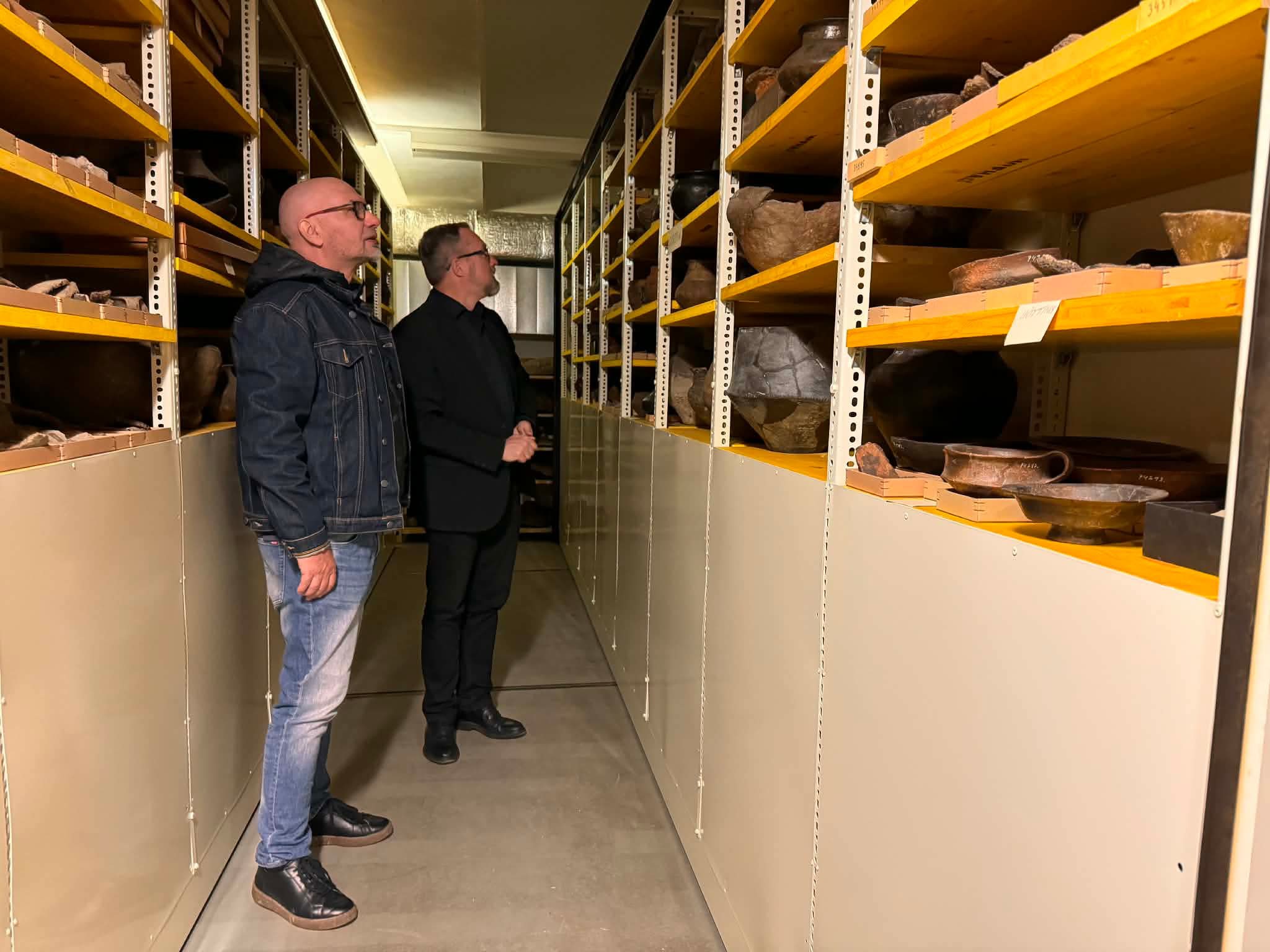
The result of the work was, among other things, a series of research activities, preceded by painstaking archival and library searches, which took place in Poland (Płock, Kwidzyn, Sztutowo, Olsztyn, Poznań, Warsaw, Łódź) and Austria (Vienna, Mauerbach, Gusen).
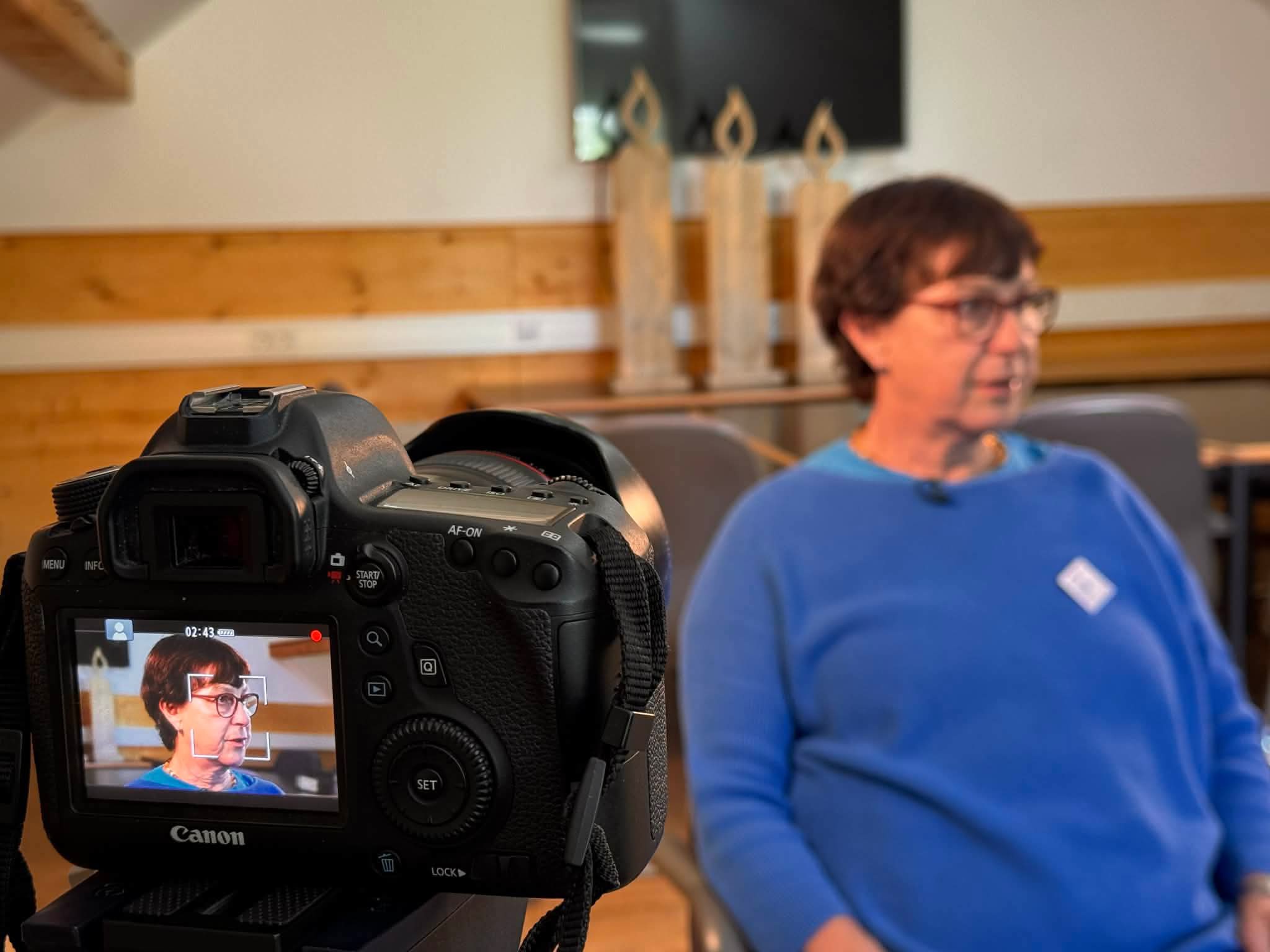
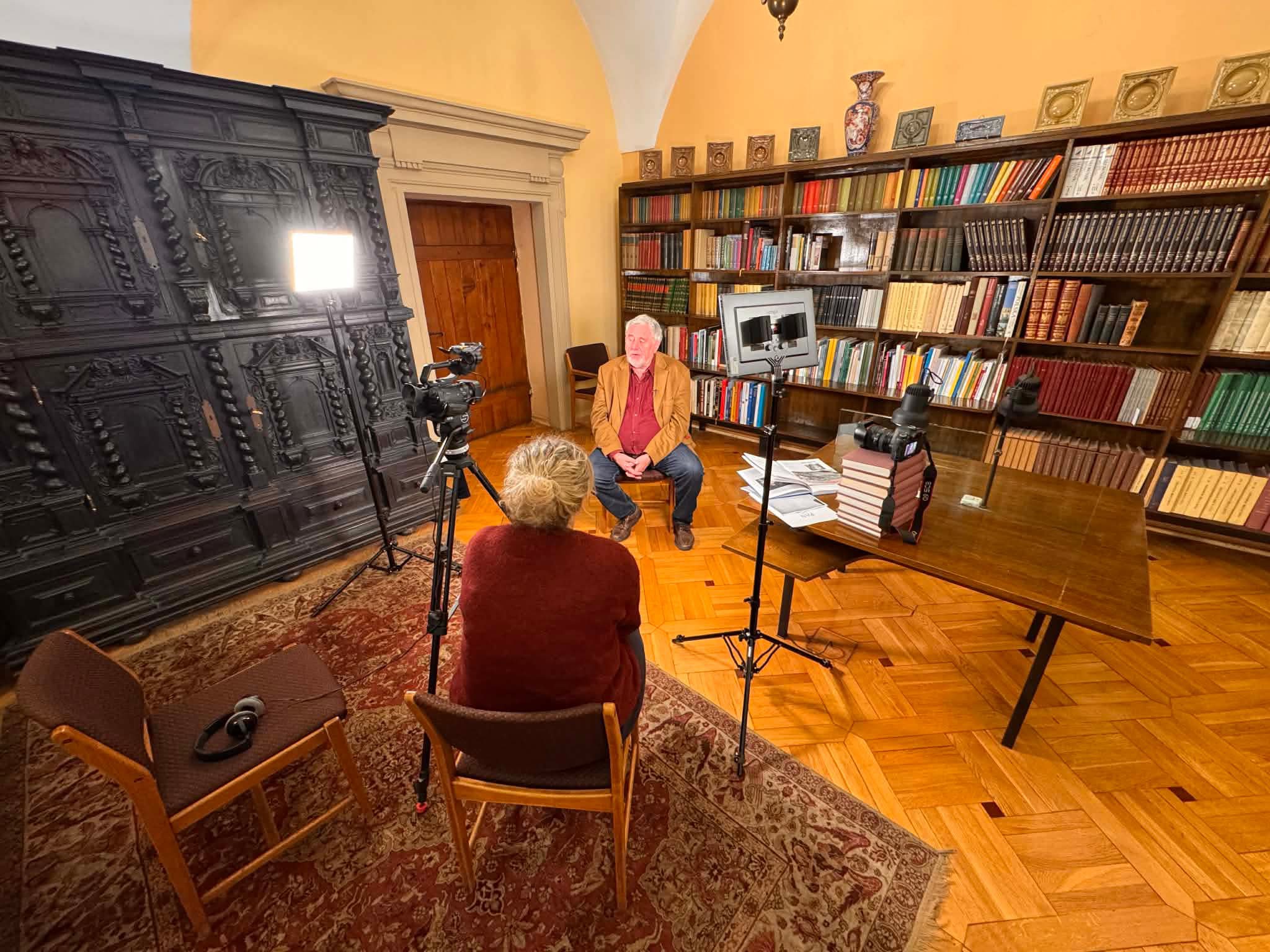
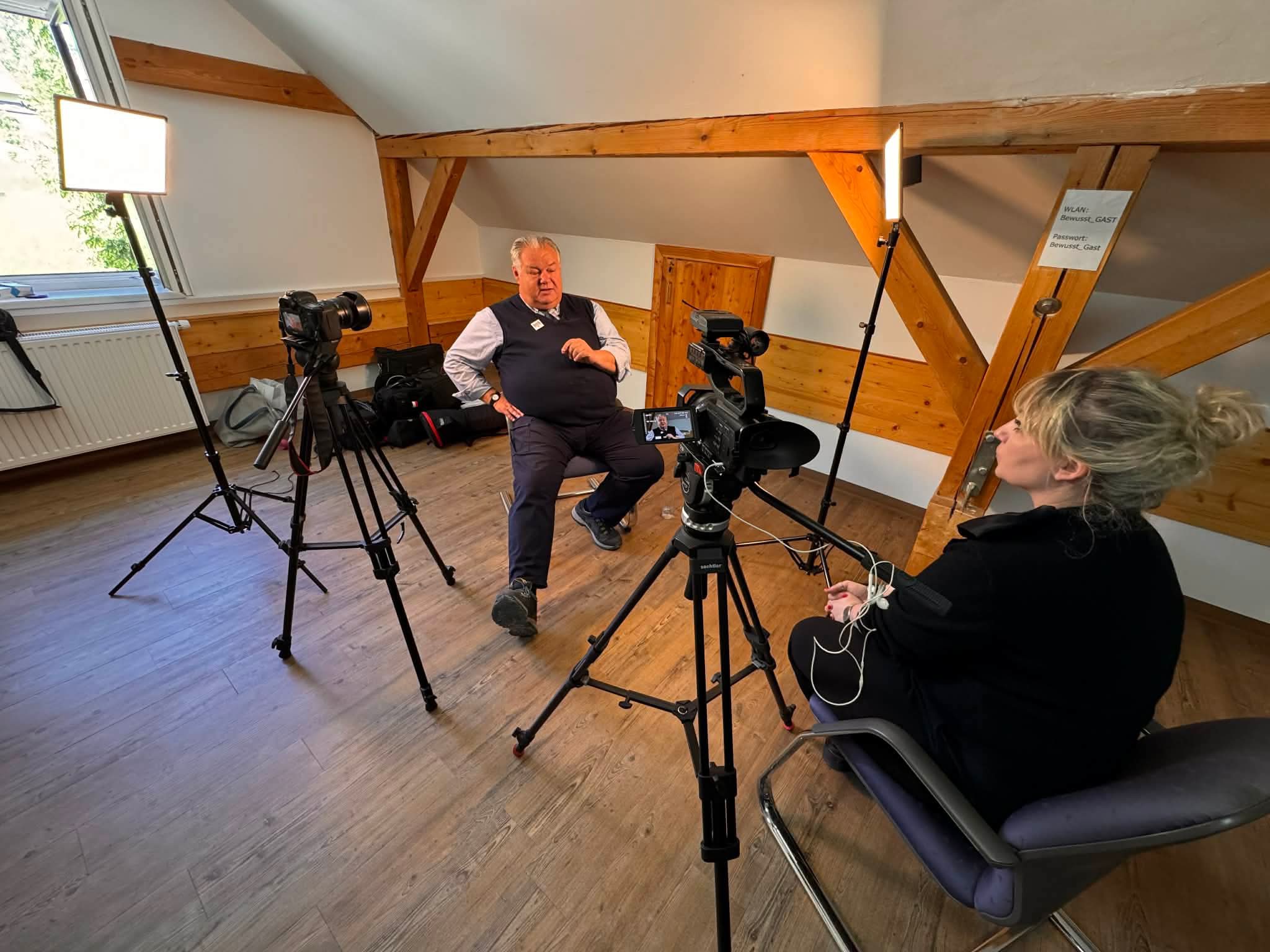
As part of the project, our team prepared three biographical films about the lives and activities of prisoner-researchers: Kazimierz Gelink, Władysław Gębik and Józef Iwiński – figures whose memory has been restored thanks to this project. These films accompany the exhibition and are available in three language versions: Polish, English and German.
The exhibition opening took place in November 2025 during an international symposium in Gusen, where the Polish project coordinator, Prof. Hubert Chudzio, gave a presentation.
A catalogue was also prepared for the exhibition to serve as an educational tool.
In the second phase of the project in 2026, there are plans to present the exhibition in the form of a travelling exhibition in partner countries, including Poland, which will allow it to reach an even wider audience.
This project not only contributes to the understanding of European Nazi history from the perspective of archaeology and forced labour, but also restores the memory of Polish heroes of forgotten episodes of history – their courage, resistance and intellectual work in camp conditions deserve a permanent place in the narrative of collective memory.
More about the project: https://www.bewusstseinsregion.at/…/archaeologie…/.
.