“These are childhood memories…”
“They put us in a detskiy sad [Russian: kindergarten]. And we had already been taught that we must not say anything. If they asked us something, it was better not to answer. And we had to stay together at all times, so that they wouldn’t separate us, God forbid. So in that kindergarten, when one of us went to the toilet, all four of us stood by the door, holding [the youngest] Lidka in our arms. And we just stood there. They couldn’t handle us. It really irritated them. There was an older boy who kept calling us ‘Polish pigs! Polish pigs!’ Basia got so angry that she punched him in the nose, and his nose started bleeding. He made a terrible fuss. The caregiver came running, and of course — punishment, standing in the corner — and then they threw us out of that kindergarten. Because, truth be told, they simply couldn’t manage us. We just wouldn’t give in there, we wouldn’t submit.
And the best part was that Lidka was given only half a bottle of milk, while the other children got a full bottle. We felt this very strongly as a great injustice. So whenever the caregiver left, we would switch the bottles. You were already at an age when you started figuring things out. You could see what was going on. Leszek stood guard by the door, and we quickly swapped them. These are childhood memories… [from exile in the Soviet Union].”
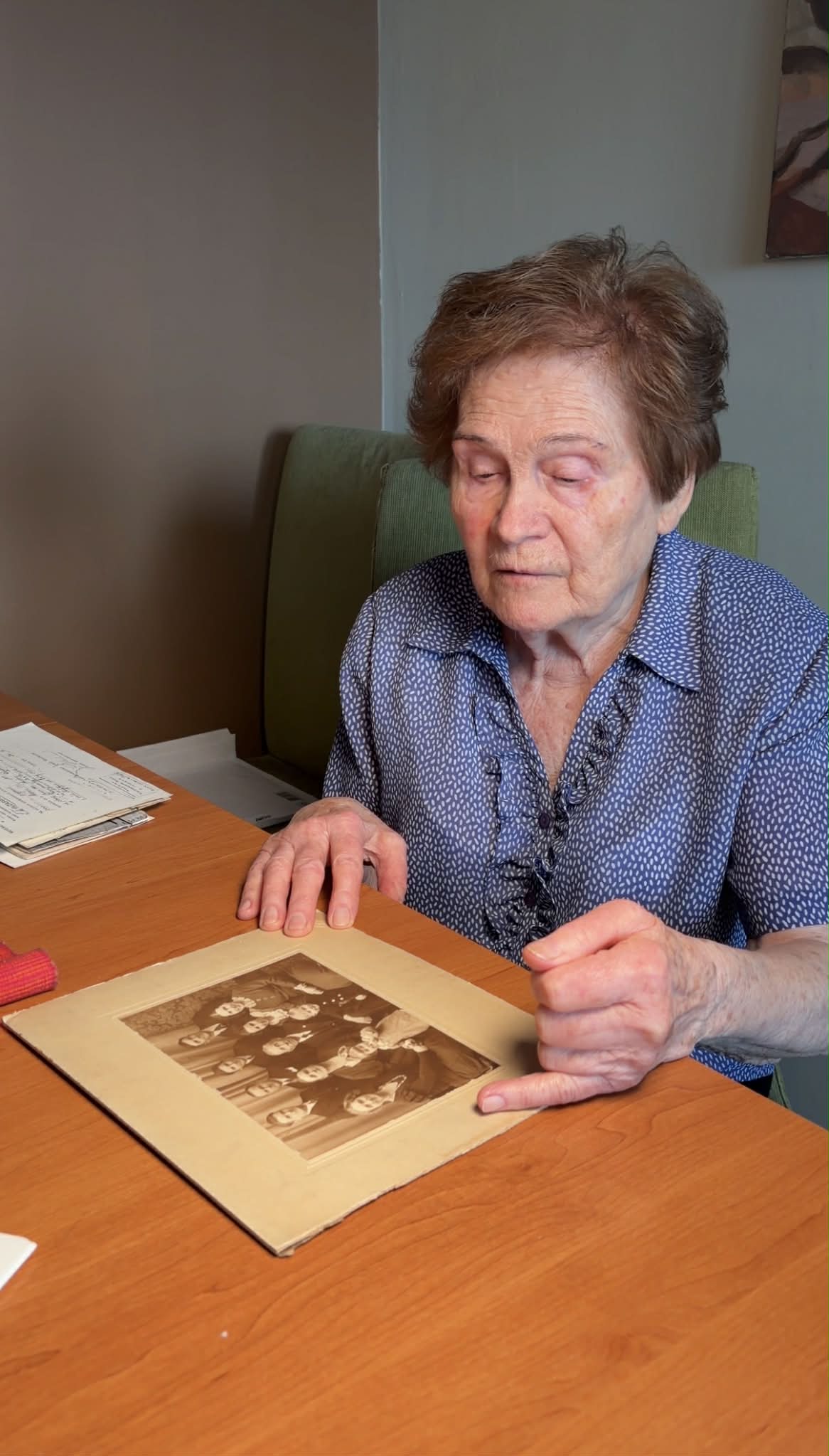
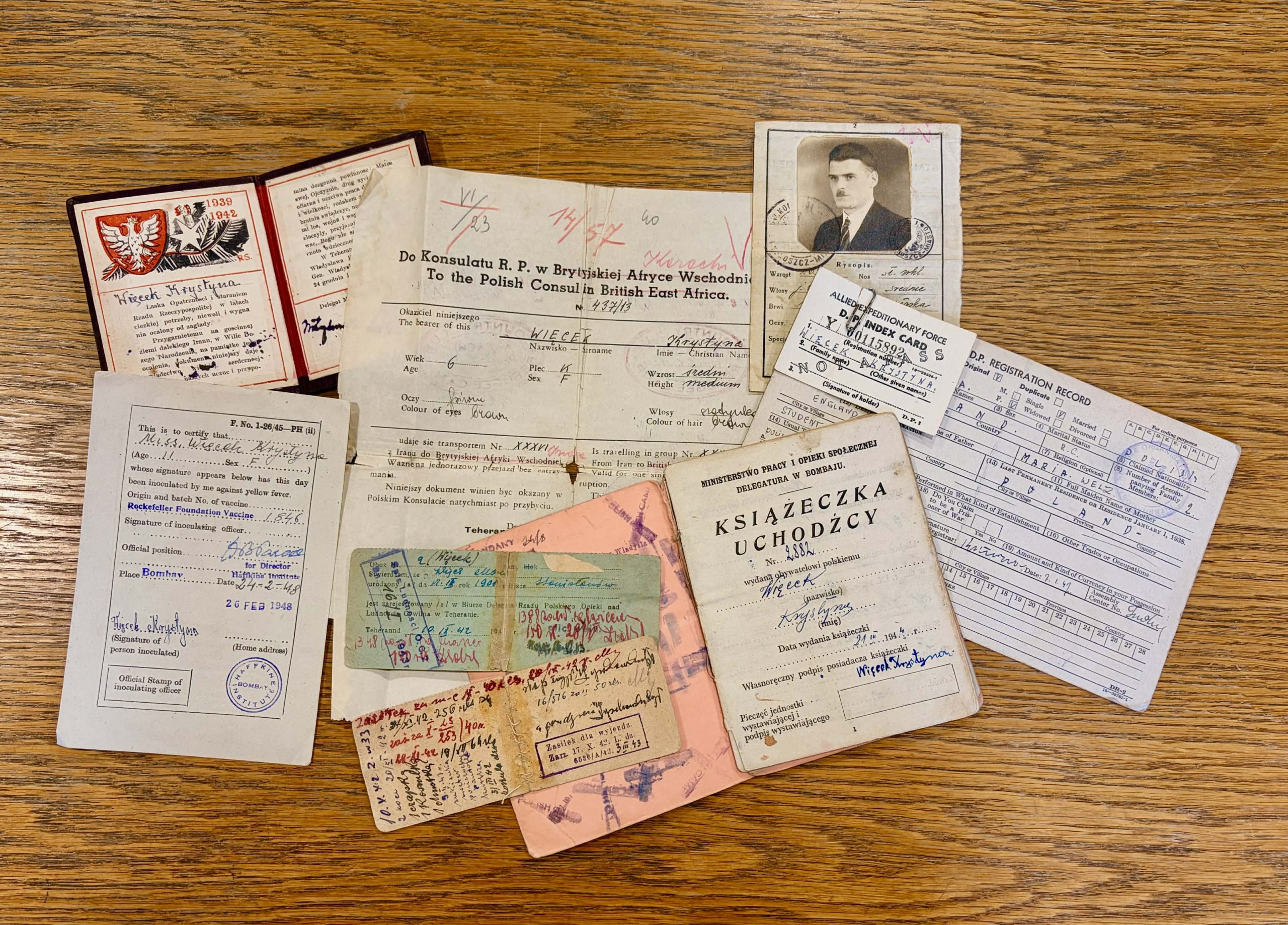
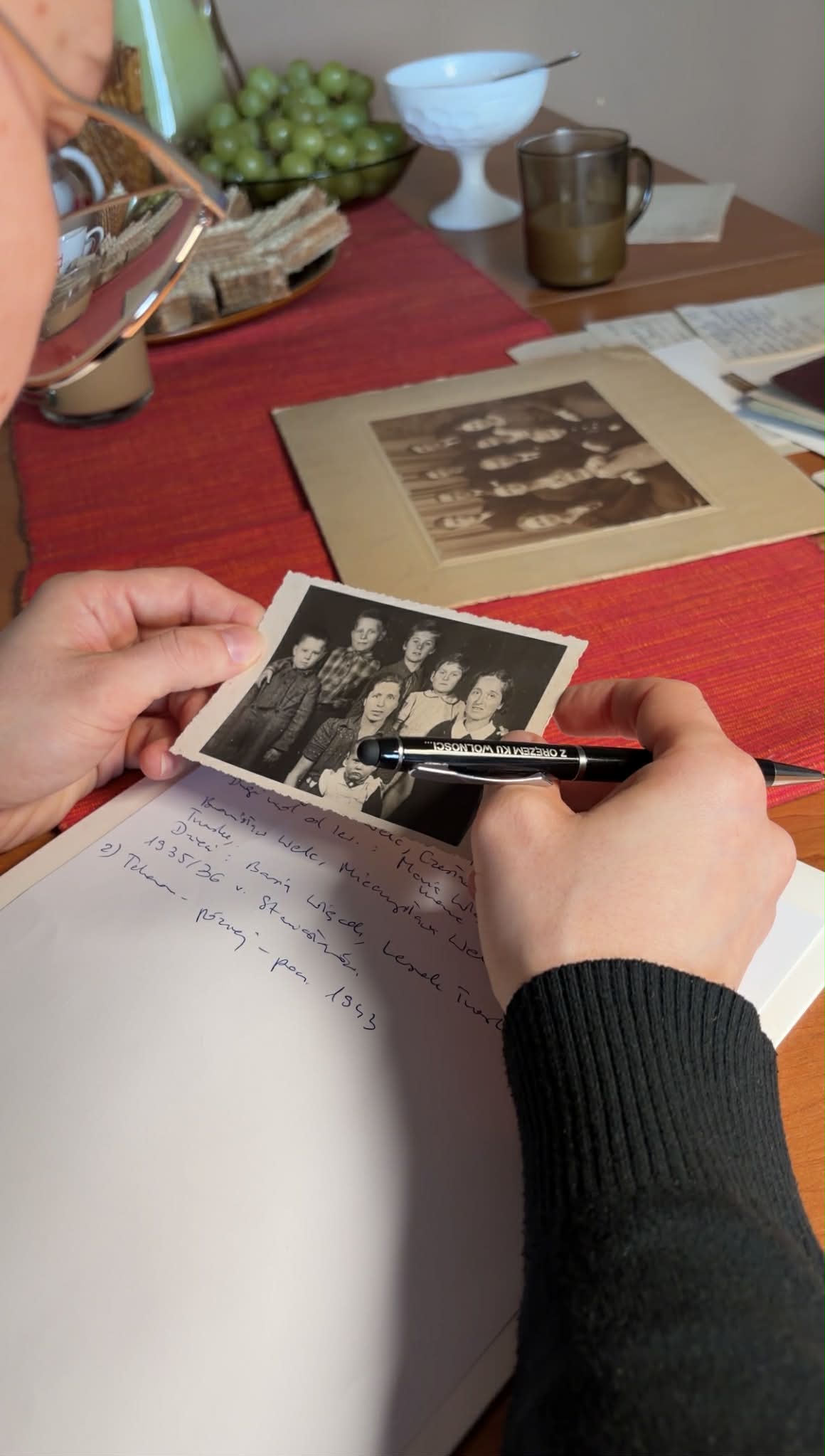
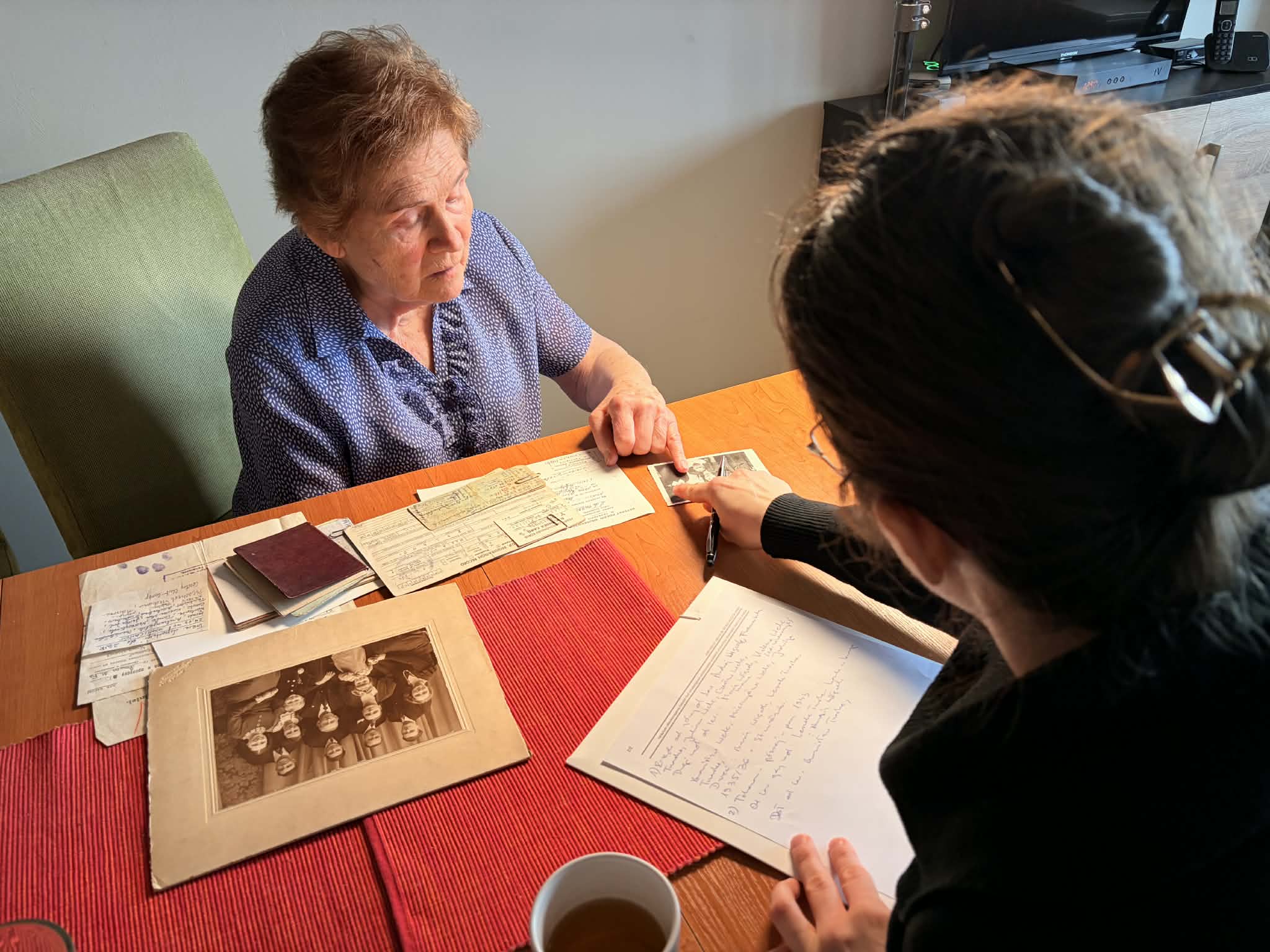
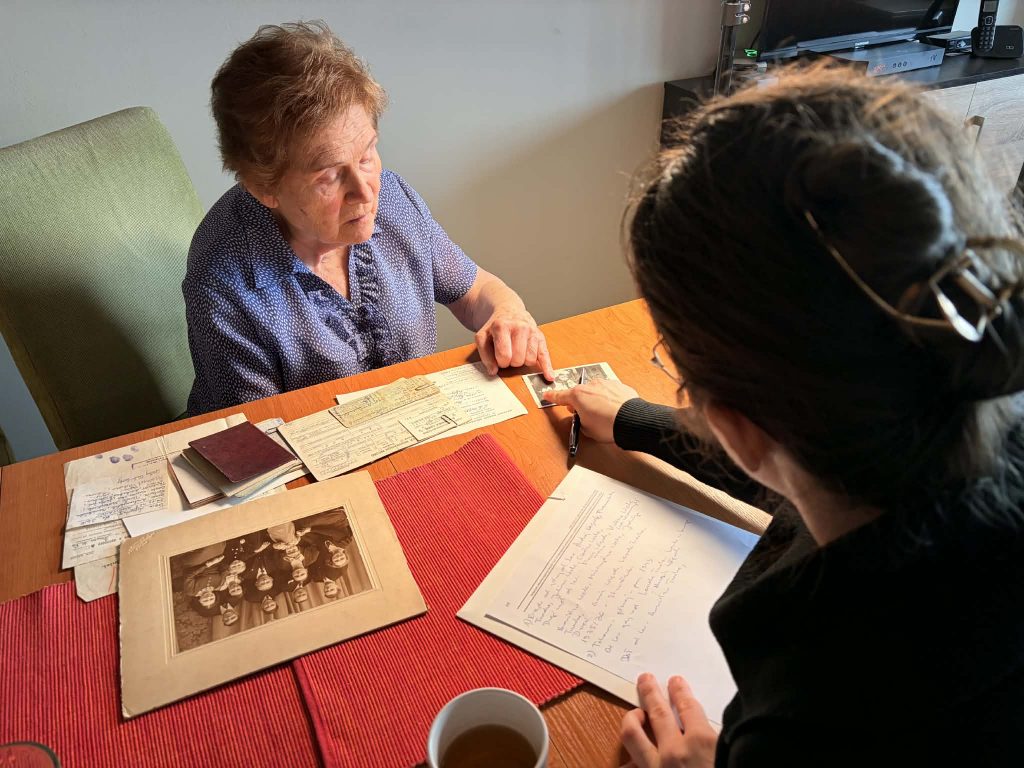
This is an excerpt from an interview given yesterday to the staff of the Centre for Documentation of Deportations, Expulsions and Resettlements (CDZWiP UKEN) by Mrs. Krystyna Więcek-Pohl, born in 1936 in Bydgoszcz. Little Krysia, at the age of four, in June 1940, was deported with her family from Stanisławów deep into the Soviet Union. There, the adults worked hard to support the family, while the children struggled to survive in extremely difficult conditions. After the so-called amnesty was declared, the fathers — Andrzej Więcek and Franciszek Trzaska — joined the Polish Army being formed in the south of the USSR, where they unfortunately died. As part of an orphanage group, little Krysia, together with her sister Basia and their cousins, reached Iran, where they were reunited with her mother, Maria Więcek, and her aunt, Jadwiga Trzaska. In 1943, the family left Iran for India, where they lived in the Polish settlement of Valivade. In 1948, Krystyna returned to Poland with her family and settled permanently in Kraków.
We would like to express our sincere gratitude to Mrs. Krystyna Więcek-Pohl for sharing her story with us and for donating invaluable family documents to the Archive of the Centre for Documentation of Deportations, Expulsions and Resettlements (UKEN).