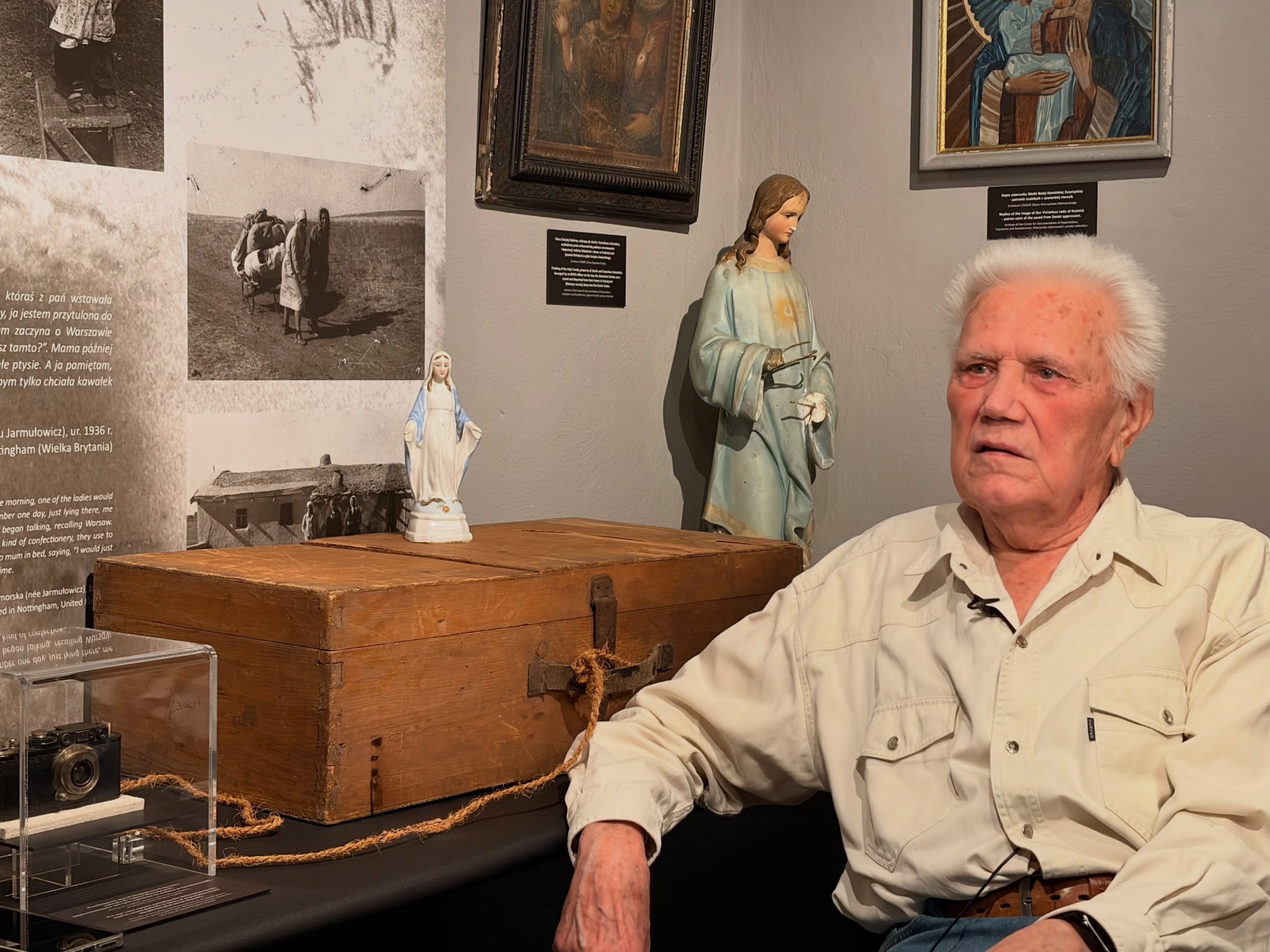
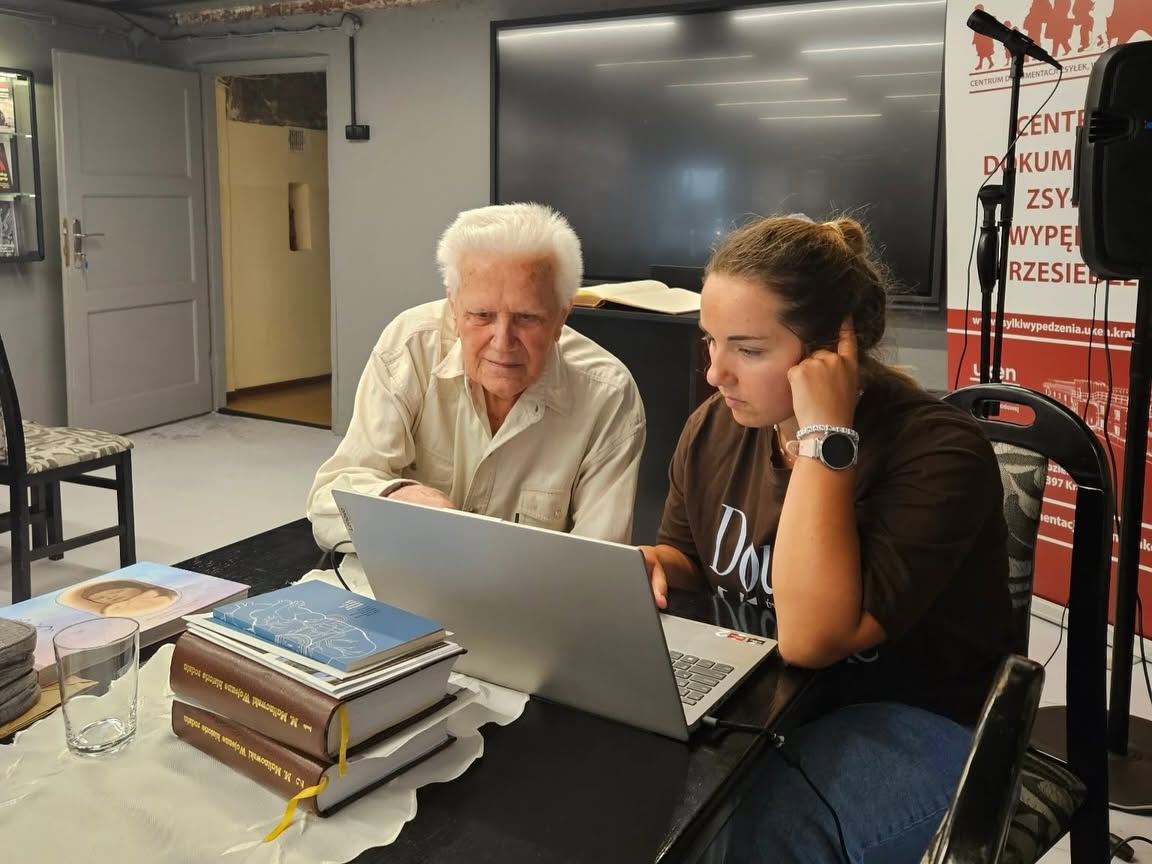
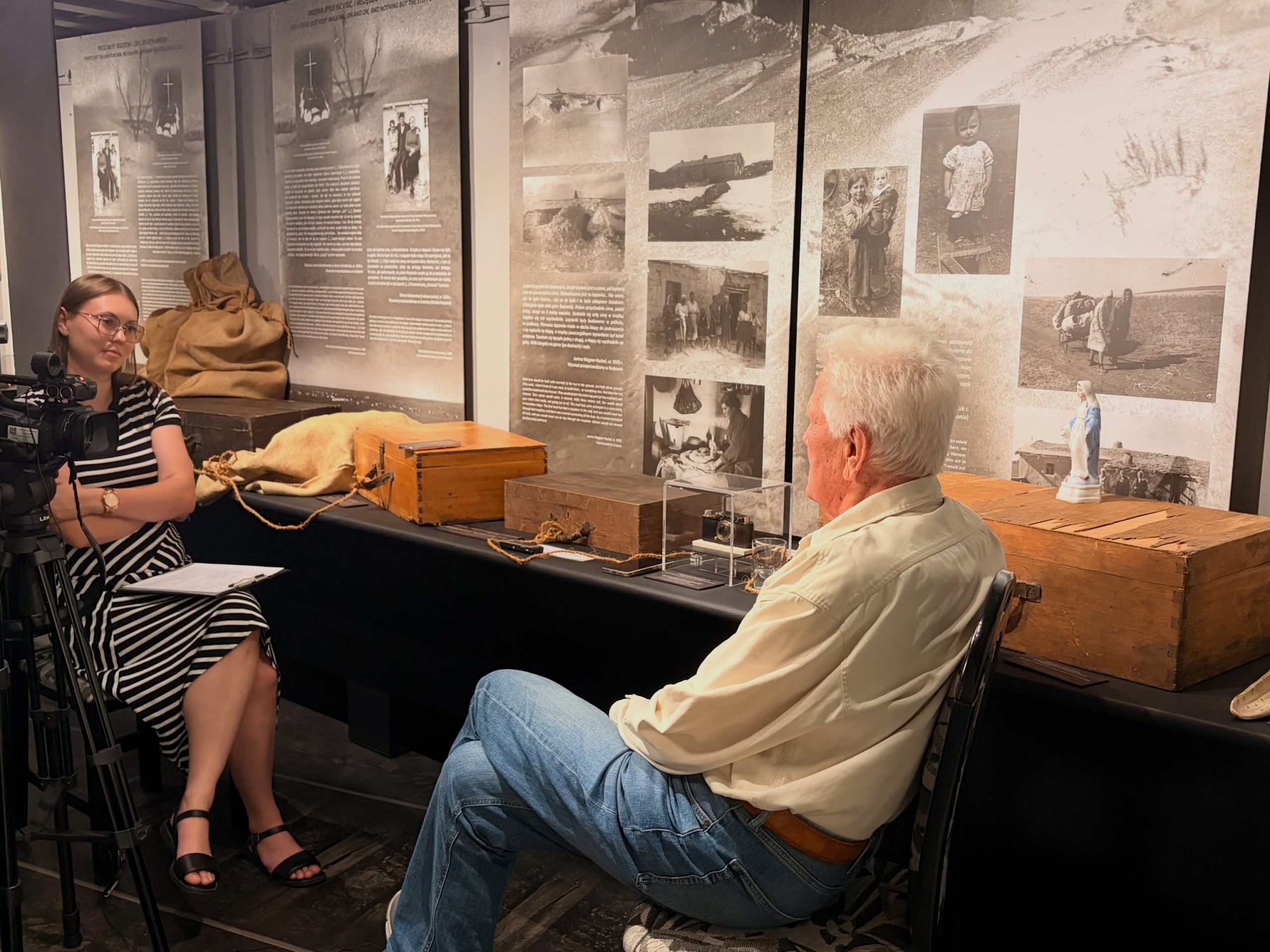
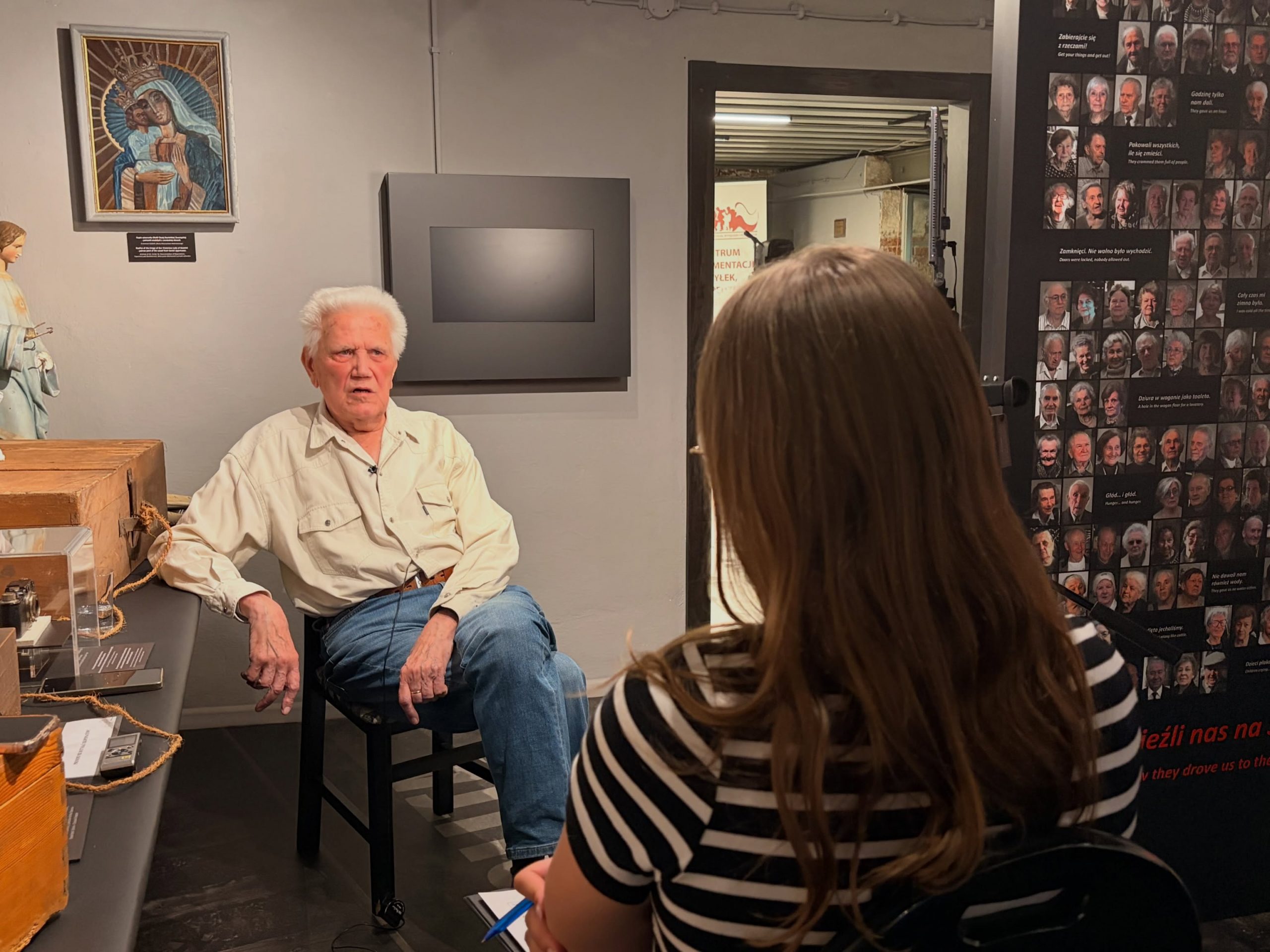
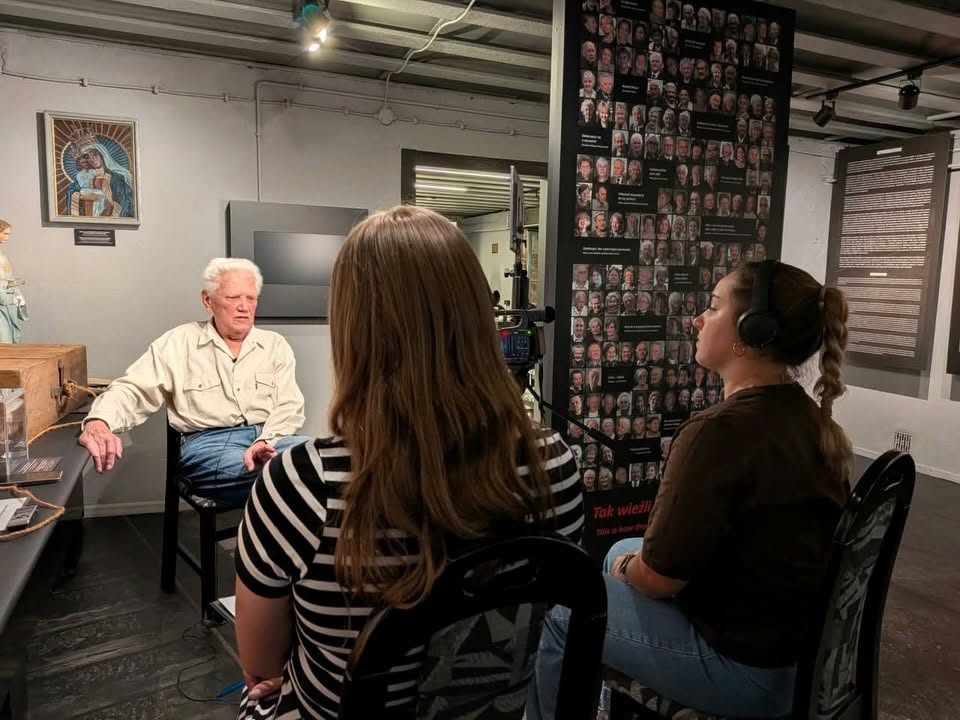
An incredibly moving interview with Mr. Mieczysław Malinowski
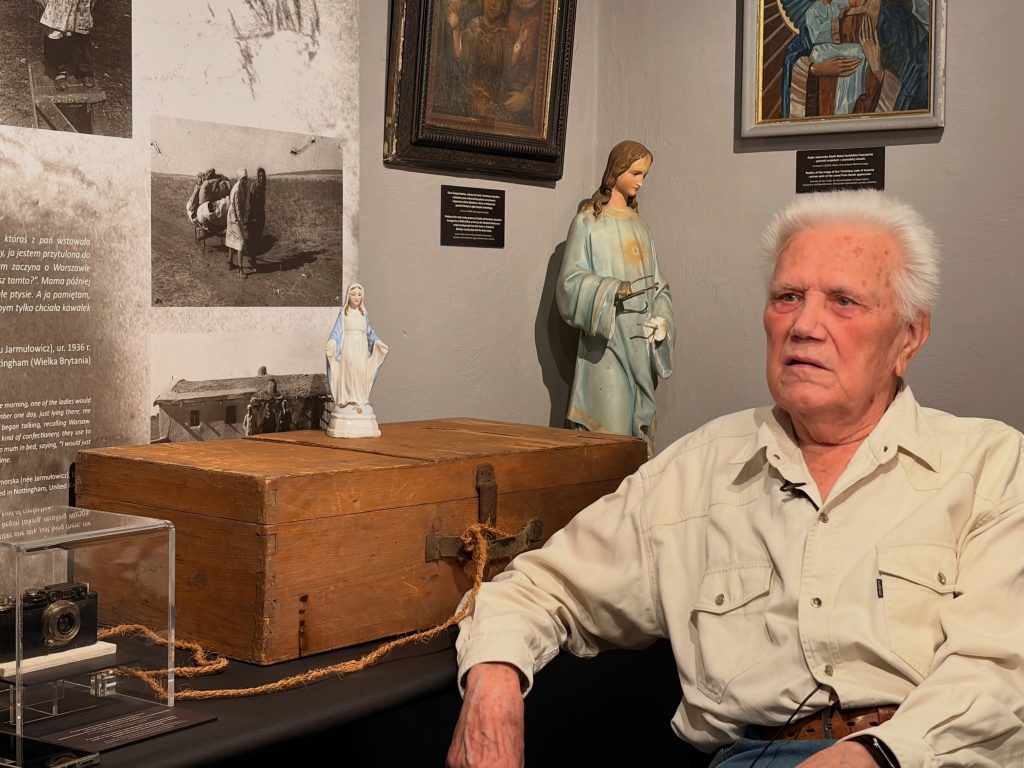
We have just conducted an incredibly moving interview with Mr. Mieczysław Malinowski—a witness to history whose memories serve as an invaluable account of the tragic fate of Poles during World War II.
Mr. Mieczysław was born in 1936 in Warsaw. As an eight-year-old boy, he survived the Warsaw Uprising. The apartment building where he lived with his family was completely destroyed. The only thing that survived was the spot where the family’s statue of the Virgin Mary, which had belonged to Mr. Mieczysław’s grandparents, had stood. Today, nearly 130 years later, it is the only memento of their lost home, passed down from generation to generation.
After the Warsaw Uprising was crushed, Mr. Mieczysław and his parents were sent to the German transit camp Dulag 121 in Pruszków, from where they were deported to the vicinity of Częstochowa.
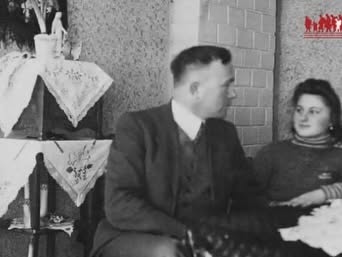
His family’s history is inextricably linked to the struggle for freedom. Mr. Mieczysław’s father—Marian Malinowski, alias “Zawisza”—and his father’s cousin, Halina Jaworska, alias “Sowa,” served in the Home Army and fought in the Warsaw Uprising. Halina served as a liaison officer in the Home Army’s Deaf-Mute Platoon, which was commanded by Mr. Mieczysław’s uncle, Edmund Malinowski.
The fate of the other branch of the family—the Dąbrowskis, who came from Volhynia—was equally tragic. In 1940, Jan and Władysław Dąbrowski, along with their families, were deported to Siberia, where they ended up in Kotlas.
We would like to sincerely thank Mr. Mieczysław for sharing his memories. This is an incredibly valuable account that serves as a reminder of the courage, sacrifice, and dramatic fates of Polish families during World War II.